Hit Counters, Cursor Trails, and the Widget Graveyard: What 1999 Knew About Privacy That We Forgot

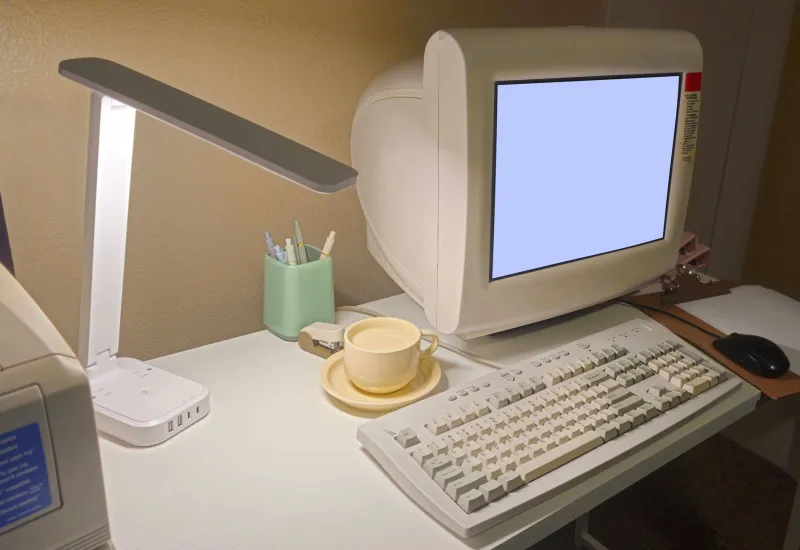
Photo: doe-oakridge, Public domain, via Wikimedia Commons
Pull up a homepage from 1999 and you'll find it decorated like a teenager's bedroom: blinking text, tiled wallpaper, and a shelf of little electronic trinkets doing who-knows-what. We called them widgets. We slapped them on without a second thought.
Turns out, a second thought was probably warranted. Let's rank the classics — through the lens of a privacy lawyer, and then through the lens of someone who just wants their page to be fun.
The Ones That Would Get Sued Today
1. The Visitor Location Tracker. Those little flags or "You are visitor from Dallas, TX!" boxes often ran off third-party services logging IP addresses and rough locations. In 1999, that was a neat party trick. In 2025, that's a data processing agreement, a consent banner, and a privacy policy update. Verdict: would absolutely break your terms of service.
2. The Referral Logger. Some counters proudly displayed "Last 10 visitors came from..." with the full URLs. That's leaking your visitors' browsing behavior to the entire internet. Modern analytics platforms won't even show you that without layers of consent. Verdict: a compliance nightmare with a smiley face on it.
3. The Email Harvesting Guestbook. Not the guestbook itself — that's a treasure. But many early ones displayed visitors' email addresses in plain text, right there for spambots to scrape. Half of 2003's spam epidemic can be traced to open guestbooks. Verdict: innocent intentions, terrible execution.
4. The Auto-Playing MIDI File. Not exactly a privacy violation, but try explaining "autoplaying audio with no opt-out" to a modern accessibility auditor. Verdict: banned on vibes alone.
5. The 'Sign My Guestbook to Prove You Exist' Counter. Some counters quietly wrote cookies to every visitor's machine just to keep the number from resetting. Nobody consented. Nobody was asked. Verdict: technically a tracker, emotionally a cry for validation.
6. The Full-Screen Splash Page With a 'Best Viewed in Internet Explorer' Badge. Not a privacy issue — a hostility issue. Verdict: a war crime against dial-up users.
7. The 'About Me' Page With Your Full Home Address. The widget wasn't the problem. The webmaster was. Verdict: please, everyone, stop.
The Three That Deserve a Comeback
Here's the twist: some of those old widgets treated visitors better than anything in a modern analytics dashboard.
1. The Hit Counter. Yes, it's crude. It also told the truth. One number, visible to everyone, counting everyone equally. No fingerprints, no session tracking, no cross-site identification — just a number going up. Compare that to today's invisible analytics that profile every visitor and tell you their device, their region, and how long they stared at your paragraph about your cat. The hit counter respected visitors by being honest about what it counted. Bring it back.
2. The Webring Navigation Bar. A little strip of arrows at the bottom of your page that sent people to a neighbor's site. No algorithm, no tracking, no data collected — just a hand-built map of a community. It's the most privacy-friendly discovery mechanism ever invented, and we threw it away for feeds that monetize our attention. Webrings are quietly returning, and honestly, good.
3. The Floating Cursor Trail. Sparkles, hearts, tiny stars following your mouse. It collected nothing. It tracked nothing. It was pure, dumb, joyful decoration that existed solely to make someone smile. In an era where every pixel on a page is measured, a widget that does absolutely nothing except delight is practically a public service.
The Lesson Hiding in the Marquee Text
The funny thing about 1999's web widgets is how much they got right by accident. They were transparent — you could see what they did. They were social without being surveillant. They assumed the visitor was a guest, not a data point.
Modern web design has a thousand times the capability and about a tenth of the hospitality. Maybe the fix isn't more consent banners. Maybe it's building pages where the only thing being counted is a number on the corner of the screen — and the only thing following your cursor is glitter.