The Web Ring Is Back — And This Time It Actually Works

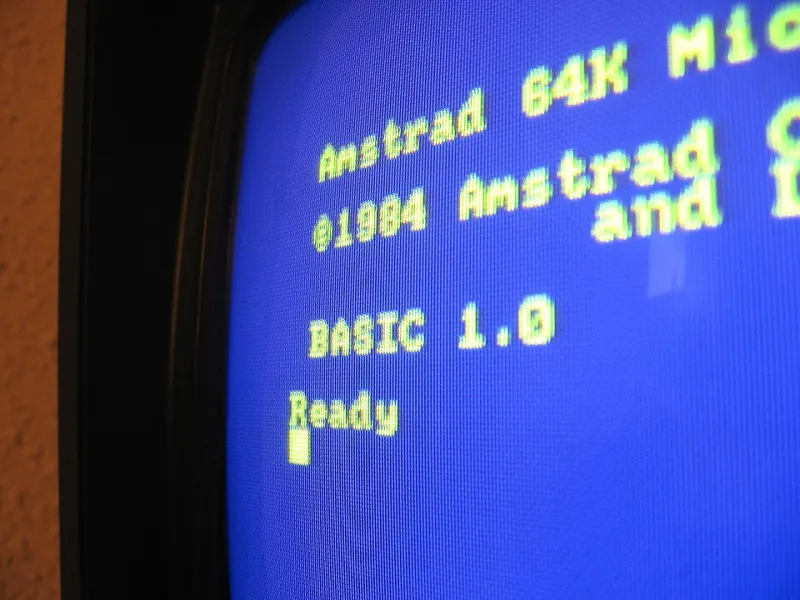
Photo: Jeevan Jose, Kerala, India, CC BY-SA 4.0, via Wikimedia Commons
If you were online in the late '90s, you remember web rings. That little strip of navigation at the bottom of a site — Previous | Random | Next — that could take you from a fan page about The X-Files to a personal diary about living in rural Montana to a hand-coded recipe collection run by someone's grandmother in Ohio. Web rings were the original recommendation algorithm, except instead of a machine deciding what you'd like, actual humans made the call. They linked to their friends, their inspirations, their fellow travelers across the early internet.
And then they basically disappeared. Social media centralized everything. Search engines got good enough that discovery felt automatic. The concept of neighborhoods on the web — interconnected clusters of personal sites that felt like actual communities — faded out so quietly that most people forgot it had ever existed.
But here's the thing: it's coming back. And it's weirder and more interesting than it ever was the first time around.
What Made the Original Web Ring Actually Work
Before we get into what's happening now, it's worth understanding why web rings worked so well in the first place — because the logic behind them is more sophisticated than it looks.
The classic web ring operated on a simple principle: if you trusted a website enough to visit it, you might also trust the sites it recommended. It was curation by association. The ring wasn't just a navigation tool; it was a statement of community membership. When a site joined a web ring dedicated to, say, amateur astronomy or regional folk music or anime fan fiction, it was signaling something about its identity. And visitors who clicked through the ring were self-selecting — they already knew they were into that thing.
Algorithms can approximate this, but they can't replicate it. There's a difference between a machine guessing you might like something based on your behavior and a real person saying hey, this is part of my world, come see it. That human layer of curation is exactly what got lost when social platforms took over discovery.
The New Web Ring Scene
So what does a web ring look like in 2024? Honestly, a lot of things. The concept has fractured into several different forms, each adapting the original idea for a new context.
The most direct revival is happening through projects like Hotline Webring, Bucket.club, and the Indie Web Ring, which are doing almost exactly what the name suggests — connecting personal websites through a navigable chain. These aren't massive networks. They're intentionally small, often curated by hand, and focused on specific aesthetics or values. Some are for personal blogs only. Some are for sites that meet certain design criteria (hand-coded HTML, no tracking scripts, that kind of thing). The gatekeeping is gentle but real, and that's kind of the point. Community requires some shared identity.
Then there's the IndieWeb movement more broadly, which has been quietly building infrastructure for personal web ownership for over a decade. IndieWeb protocols like Webmention and Microsub let personal sites talk to each other directly — comment on someone's post from your own site, syndicate your content across platforms without surrendering ownership. It's not a web ring exactly, but it's building the same connective tissue: a web where personal sites are nodes in a real network, not isolated islands.
Discord as the New Neighborhood Association
Here's where it gets interesting: a lot of the community-building that used to happen through web rings is now happening in Discord servers that exist specifically to support personal website culture.
Servers like 32-Bit Cafe, Melonland Forum, and the broader Neocities community (yes, there's a whole ecosystem around the modern Neocities hosting platform) function less like chat rooms and more like neighborhood associations. Members share their sites, give each other feedback, collaborate on design projects, and — crucially — link to each other. The web ring dynamic lives inside these servers even when it's not explicitly labeled as such.
What's remarkable about these spaces is the demographic. They skew young. Gen Z users are building hand-coded personal sites, learning CSS for fun, and actively choosing the slower, more intentional experience of personal web ownership over the dopamine drip of social media. They're not doing it out of nostalgia — most of them weren't alive for the GeoCities era. They're doing it because it feels more real to them than anything a platform offers.
Niche Is the New Neighborhood
One of the most compelling things about the modern web ring revival is how hyper-specific the communities have gotten. This isn't the early web, where a web ring for "music fans" was considered sufficiently targeted. Today's indie web neighborhoods are built around micro-interests: specific subgenres of literature, obscure historical periods, regional food cultures, particular aesthetics, disability communities, LGBTQ+ subcultures, retro gaming platforms.
The Yesterweb network, before it wound down its forum operations, was a particularly vivid example — a community explicitly dedicated to reclaiming the personal, non-commercial web, with its own web ring, its own zine, and its own shared vocabulary for talking about what the internet should be. It attracted thousands of members who felt alienated by the mainstream social web and were actively building something different.
That spirit is still very much alive in successor communities. The point isn't just to make a website — it's to make a website that belongs to a recognizable neighborhood, that exists in relationship to other sites, that participates in something larger than itself without surrendering its individual character. That balance — personal but connected — is exactly what the original GeoCities neighborhoods got right, and exactly what the modern revival is chasing.
Building Your Own Corner of the Network
If you want to get involved, the entry points are more accessible than you might think. Neocities remains the most obvious starting place for actually building a personal site — it's free, it's HTML-first, and its built-in follow system creates a soft web ring effect just by virtue of how people browse the platform.
From there, finding your neighborhood is mostly about showing up. Join a Discord server focused on personal web building. Add a web ring badge to your site. Link generously to sites you love. The infrastructure for a genuine indie web neighborhood already exists — it just needs people willing to participate in it the way the early web demanded: actively, intentionally, and with some actual care about who you're connecting with.
The web ring didn't disappear because it was a bad idea. It disappeared because something easier came along and we stopped tending it. Now that the easier thing has revealed its costs, the idea of a hand-curated, community-built network of personal sites doesn't sound quaint anymore. It sounds like exactly what the internet needs.
Previous. Random. Next. The navigation buttons are still there. You just have to click.