My Teenagers Found My Angelfire Page. I Have Never Felt More Exposed or More Grateful.

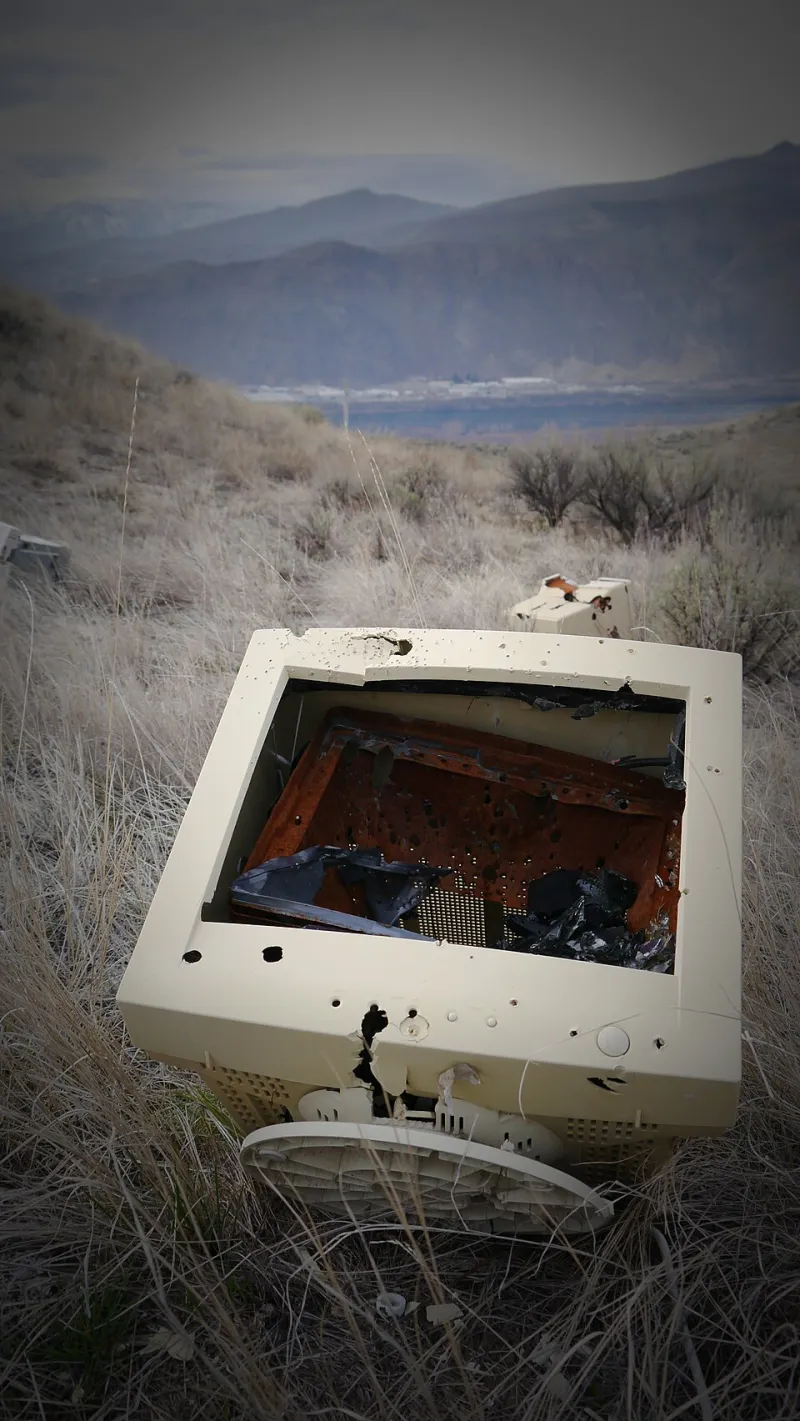
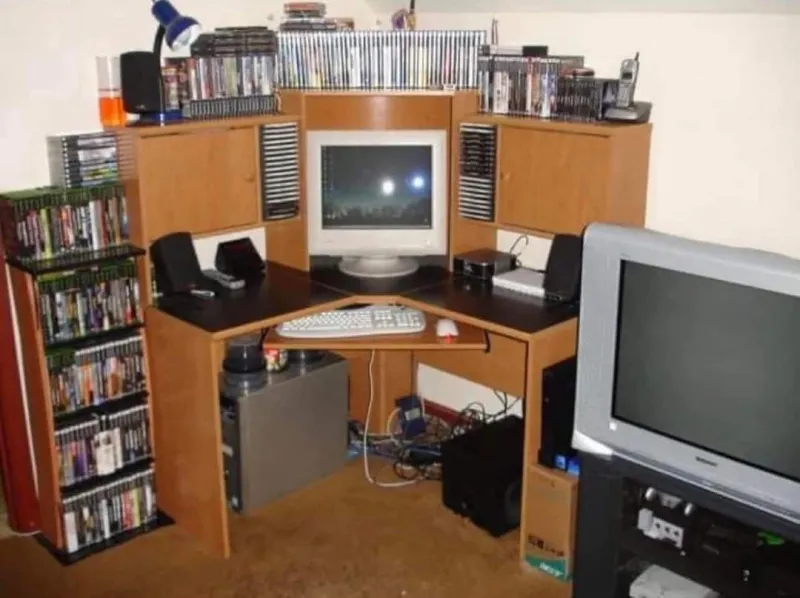
Photo: Parentinglogy, CC BY-SA 4.0, via Wikimedia Commons
It started, as these things do, with my daughter holding up a phone and asking, "Dad, who is 'xXravenXx'?"
My stomach dropped before my brain caught up. That was my handle. That was my handle from 1998.
The Excavation
Somehow — I still don't fully know how — my 16-year-old had followed a chain of dead links, a cached directory, and pure teenage stubbornness to an Angelfire page I built when I was fifteen. It was still up. The host had apparently never deleted it, and my ancient email address had auto-renewed into oblivion without me ever noticing.
There it was: my homepage. A black background with neon green text. A page dedicated to a band that broke up before either of my kids was born. A guestbook with eleven entries. And, God help me, a poetry section. Original poetry. Titled things like "Darkness Within (Untitled #4)."
I braced for merciless mockery. I got something stranger.
They Thought It Was Cool
My son, 14, scrolled through in silence, then said the words I never expected: "This is kinda fire."
He meant it. To him, my old page looked like a lost artifact from a civilization he'd only heard rumors of — a web where people made things instead of posting them. He had questions. Why a guestbook? Why did the counter say 342 visits like it was a big deal? Why did I write about my feelings where strangers could read it?
That last one stopped me. Because the honest answer was: I didn't think about strangers. I thought about the page. It was mine. I decorated it like a bedroom, said what I wanted, and if a few people wandered in, that was a bonus, not an audience to perform for.
Two Kinds of Digital Legacy
Here's what my kids' excavation made me realize. My teenagers already have a digital footprint bigger than mine was at their age — but almost none of it belongs to them. Their posts live in apps, governed by companies, formatted into sameness, and designed to vanish down a feed. If those platforms shut down tomorrow, the record of who my kids were at fifteen would evaporate.
My Angelfire page survived twenty-five years of neglect because it was a place, not a post. Nobody had to keep it alive. It just sat there, being itself, waiting.
That's a different kind of legacy. Not a highlight reel, not a performance — a time capsule. Embarrassing, sincere, and entirely mine.
We Built a Page Together That Weekend
My daughter wanted to know if people still did this. So we found out.
That Saturday, the three of us built a homepage together. Real HTML. A terrible tiled background chosen by committee. My son made a page about his game clips. My daughter wrote a "current obsessions" list and defended her right to include things she'll deny in six months. I contributed one rule: no audience metrics, no comments, no likes. Just a page.
They were hooked faster than I expected. There's something about owning a little plot of the web that a profile can't replicate — the same thing I felt at fifteen, typing HTML into a text box at midnight.
The Poetry Stays Up
People ask if I took the old page down once I'd been found out. I didn't.
Sure, my kids now quote "Darkness Within (Untitled #4)" at dinner. But that page is the only complete record of who I was at fifteen — not a curated version, not a feed's fragment, the whole dorky, earnest thing. My daughter said something about it that I keep thinking about: "It's weird that you were a real person before you were my dad."
Exactly. That's what the page proves.
So here's my pitch to other parents: dig up your old page if it's still out there. Better yet, build a new one with your kids. Give them a place that's actually theirs — one that might still be sitting there, green text and all, waiting for their own teenagers to find it someday.