Racing the Rot: The Volunteer Archivists Saving the Internet's First Family Photo Albums
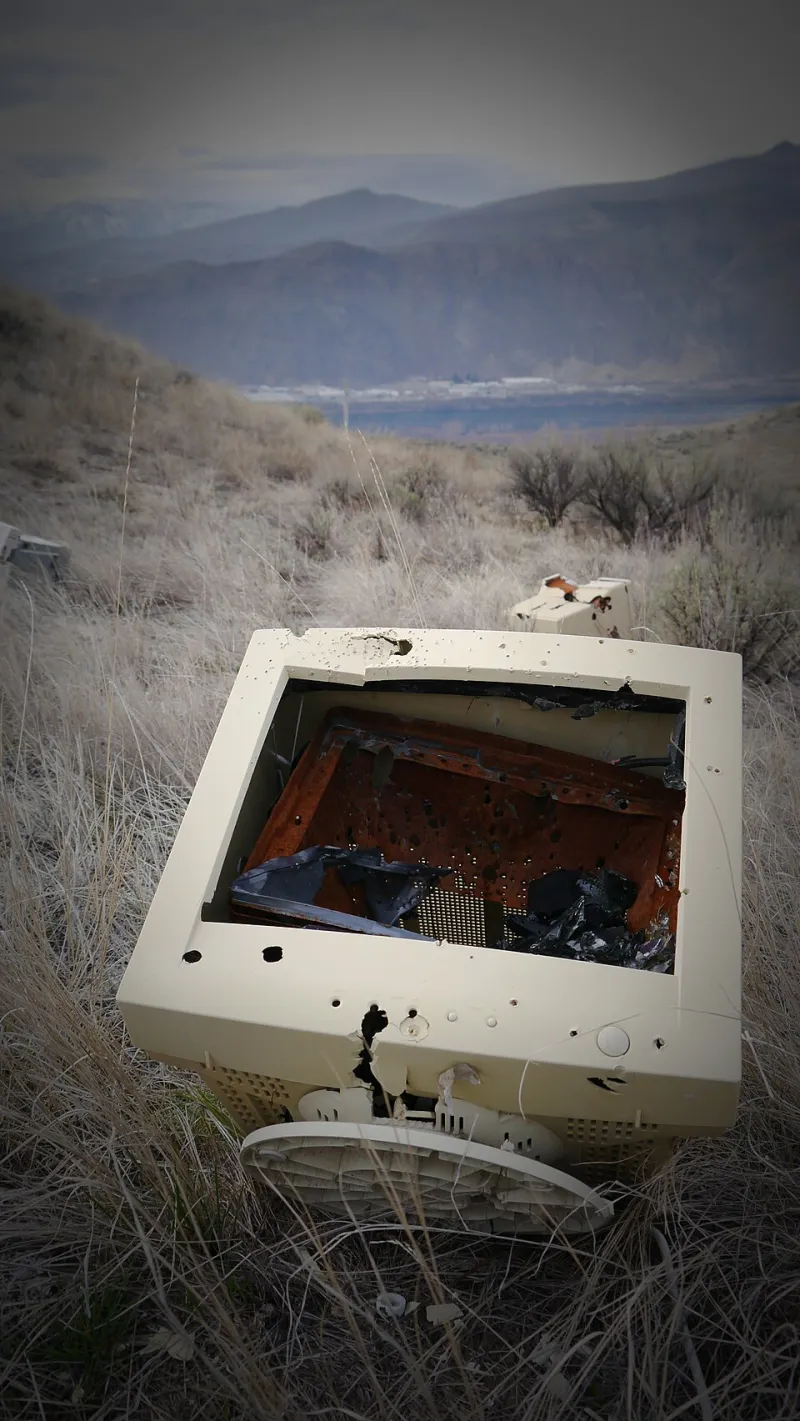
Photo: Thayne Tuason, CC BY-SA 4.0, via Wikimedia Commons
Somewhere in a server rack in the Midwest, a woman named Doreen has spent the last four years downloading other people's memories.
She's not a hacker. She's not a corporate data broker. She's a 58-year-old retired school librarian from Ohio who runs a one-woman archive of pre-2005 personal homepages — thousands of them, each one saved from a host that shut down, a lapsed domain, or a hard drive that simply gave up. She calls her project "the last library card," and she's not alone.
The Quiet Race Against Link Rot
The early personal web is disappearing faster than anyone wants to admit. Estimates from digital preservation groups suggest that a huge share of homepages built between 1995 and 2005 no longer load. Hosts folded. Domains expired. Free hosting services deleted entire neighborhoods of pages overnight — some famously wiped out in a single weekend.
What's left is what archivists call "link rot": pages that exist only as dead links in old blog posts, forum signatures, and cached search results. Every year, more of them blink out.
Doreen and volunteers like her are racing the clock. They crawl old directories, follow chains of webring links, and check whether pages still resolve. When they find one that's about to disappear — an expired domain heading to auction, a host announcing closure — they snapshot it.
Saving Strangers' Pages, Legally Speaking
Here's where it gets murky. Nobody gave Doreen permission to archive their high school poetry or their wedding photos. Most of the people who built these pages never imagined anyone would want to preserve them.
Copyright law doesn't offer a clean answer. The pages are copyrighted by their creators, technically. But archivists operate in a gray zone similar to the one that saved early fan sites and Usenet posts: preserve first, ask questions later, and take things down promptly if a copyright holder objects. Most large-scale efforts, like the volunteer-driven web archiving projects that inspired this movement, have formal takedown policies. Doreen's is simpler — an email address and a promise.
"In twenty years of doing this," she says, "I've had exactly two takedown requests. Both were from people who were embarrassed by their old pages. I get it. I took mine down too."
Why These Cringey Time Capsules Matter
The pages Doreen saves aren't polished. They're full of marquee text, tiled backgrounds, MIDI files, and guestbooks. They contain the kind of earnest, unfiltered self-expression that modern platforms have trained out of us.
And that's precisely the point. A social media archive is a log of reactions — likes, shares, comments, all shaped by an audience and an algorithm. A homepage from 1999 is a room someone decorated for themselves. The family photo albums, the shrine pages to favorite bands, the "About Me" lists written in all caps — these are primary sources about how ordinary Americans first learned to have a life online.
Historians are starting to notice. University libraries have begun partnering with hobbyist archivists, treating their collections as folk history — the digital equivalent of a shoebox of snapshots found at an estate sale.
What Gets Lost When It's Gone
Ask Doreen what she wishes people understood, and she doesn't hesitate.
"People think this is nostalgia. It's not. It's the only record most of those people ever made of themselves. No newspaper wrote about them. Their Facebook posts will die with their accounts. That page with the crooked scanned photo of somebody's grandma — that might be the last copy on Earth."
She pauses, then adds the thing that keeps her crawling.
"Somebody made it. Somebody was proud of it. The least we can do is not let it disappear without a trace."
If you built a page back then, there's a decent chance a stranger like Doreen has already saved a copy — quietly, without asking, in a server rack somewhere in Ohio. Whether that thought comforts you or mortifies you might say everything about what the early web meant: it was never really private, and it was never really ours to lose.